05/2026: First GIFR Volunteer Newsletter!
Hello Grow It Forward volunteers, and welcome to the first official volunteer newsletter!
Lea and Gabe plan to share these updates periodically to keep everyone informed about the status of Grow It Forward Restoration (GIFR), as well as to highlight helpful resources, tips, and upcoming volunteer opportunities.
Current State of Things: Washington State lawmakers recently finalized significant reductions to the 2025–2027 budget. These changes have affected conservation programs statewide, resulting in reduced funding and fewer active restoration projects. As a result, demand for native trees has been lower than in previous years (read more). For restoration organizations that are still pursuing planting initiative, GIFR’s ability to offer low-cost trees helps those restoration organizations stretch limited resources further.
Despite this broader slowdown, GIFR has already distributed approximately 500 trees to restoration partners in 2026. Because fall remains the primary planting season for restoration organizations, we anticipate the majority of planting activity, and thus tree movement, to occur later in the year.
Many of our generous micronursery hosts have asked for updates about the destiny for their larger trees. While placements are actively being pursued, we do not expect significant movement of large trees until the upcoming fall planting season. We greatly appreciate your continued stewardship.
Organizational Update: Grow It Forward is proud to be 100% self-funded and operates without grant support. This independence is possible because GIFR is entirely volunteer-run. Lea and Gabe run GIFR in the evenings, after clocking out of their day jobs. We deeply appreciate your patience and understanding as we respond to messages and coordinate logistics as capacity allows.
Financially, the organization remains stable. Operationally, however, we are facing a familiar but challenging success: lots of big trees in small pots. Overstock trees are being temporarily housed across multiple volunteer properties and available growing space is becoming increasingly limited. Our first priority is finding planting sites for the 5,300 Douglas Fir from 2023. Next, we’ll be looking for homes for the ~8,700 trees from the 2024 cohort.
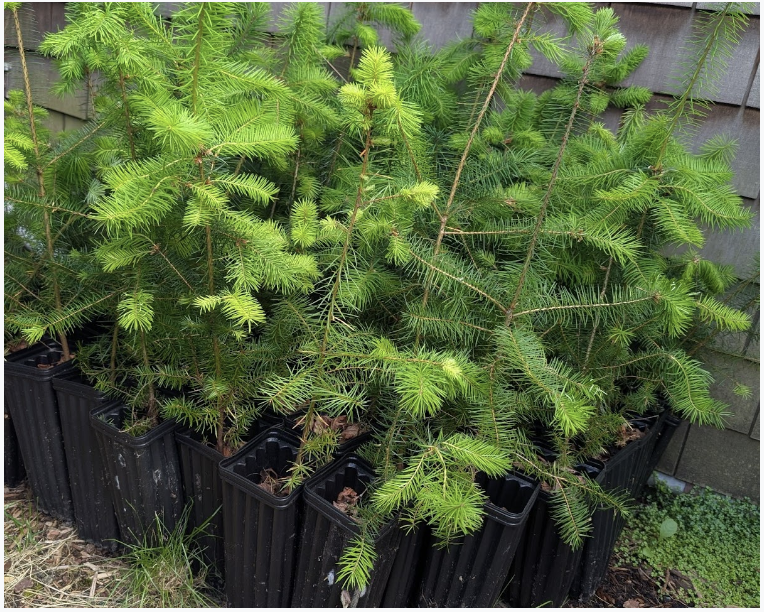
Looking for micronursery to showcase!
Get to know your fellow micronursery hosts! Do you want to showcase your micronursery in the next newsletter? Let us know by responding to this email!
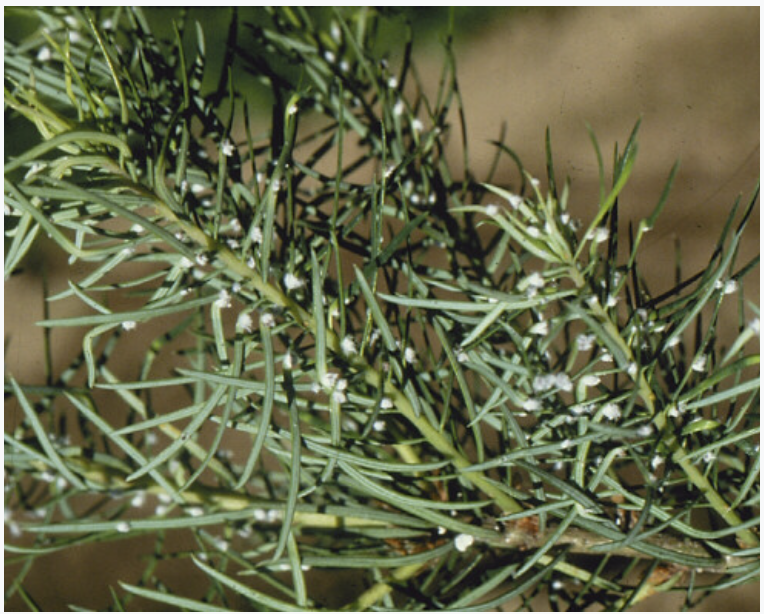
Micronursery Tip: Adelgid
These furry looking pests are aphid like insects found on new growth needles of Douglas-firs. They feed on new growth, leading the needles to yellow and fall prematurely. The best way to combat is to put some gloves on and squeeze the affected areas of the trees. You may also be able to wash them away with a hose, but hand crushing will be your best bet! Learn more...
(photo from wsu)
Volunteer Events From Partner Orgs
Habit Restoration In Woodinville w/ Mid-Sound Fisheries
May 16 (learn more)
Giving in the Garden Benefiting Sustainable Ballard
May 19, 4 pm - 9 pm (learn more)Lake Sammamish Restoration w/ Mountain to Sound Greenway
May 22, 12 pm - 3 pm (learn more)Forterra Fridays: Patterson Creek Restoration
June 12, 1 pm - 3:30 pm (learn more)Salmon Release w/ Skagit Fisheries Enhancement Group
June 24 (learn more)Family Dinner on the Farm w/ Oxbow
September 19 (learn more)Feast on the Farm w/ Stewardship Partners
September 19 (learn more)
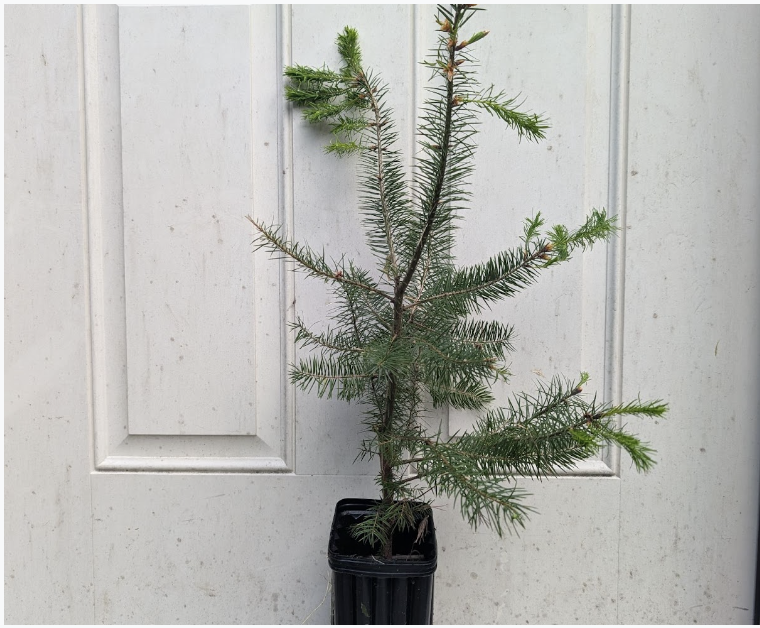
Tree Lifecycle: New Growth!
In early summer, you will notice a significant burst of growth in your trees. Fresh, tender green growth should be emerging, and many trees will gain noticeable height between April and June.
As temperatures rise, it becomes especially important to monitor watering needs. Establishing a routine of checking your trees every 3–5 days will help ensure they receive adequate moisture to support this period of active growth.
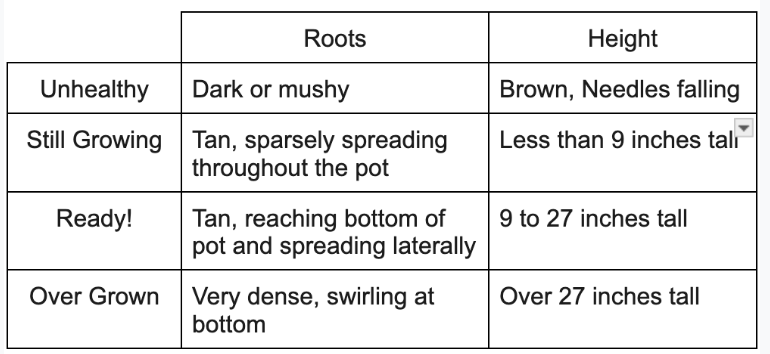
This chart can help you assess the overall health and development stage of your trees. When evaluating plant health, remember: for restoration plantings, strong root systems are more important than above-ground height.
Send us a status update on your trees! One survey per micronursery year or species please!